San Antonio is a city where belief, family members, and neighborhood connections run deep. That makes it a natural home for programs that frame recuperation not just as a professional journey, but as a spiritual one. Succeeded, faith-based addiction treatment matches evidence-based treatment, broadens the circle of assistance, and gives people language and rituals that speak with their values. Done badly, it relies upon slogans, glosses over clinical requirements, or pressures somebody to adopt ideas they do not share. The difference displays in the information, from how a therapist addresses an inquiry about medication to exactly how a priest talks about relapse.
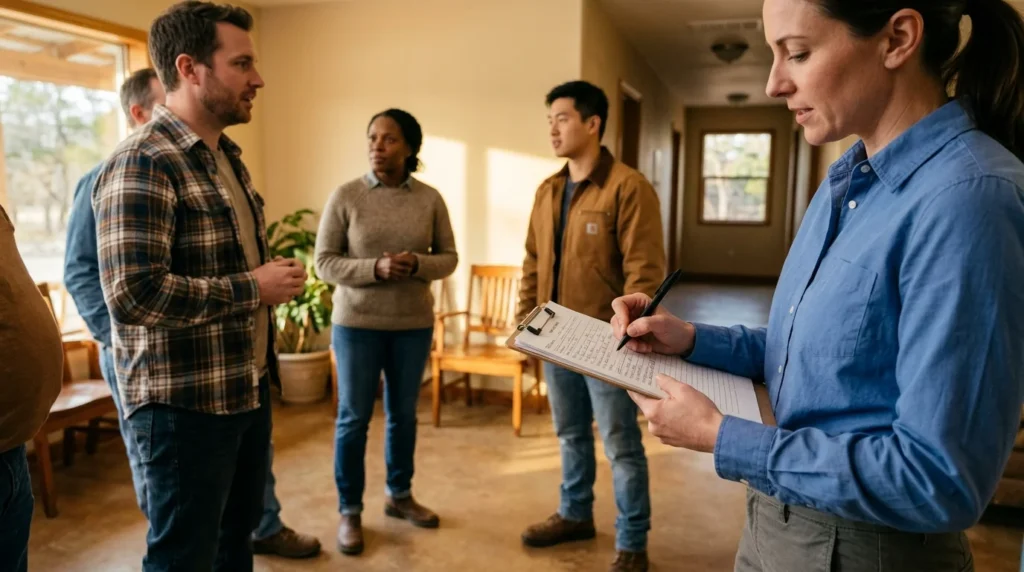
I have strolled households through both effective placements and tough course modifications. The programs that hold up with time in San Antonio share a few characteristics. They recognize the city's diversity, from bilingual prayer to professional communities. They work together with licensed medical professionals. They respect personal conscience. And they determine progression with the very same rigor you would expect from any premium addiction treatment.
What faith-based treatment looks like in practice
The tag covers a vast range. Some treatment facilities were established by churches and weave prayer right into daily routines. Others are independent nonprofits that supply spiritual support groups on top of common programming. A couple of are entirely peer-led ministries that do not expense insurance coverage in all and count on contributions and volunteer clergy.
Day to day, you may see any combination of the following:
- Morning devotionals or reflection durations that are optional but widely participated in. In numerous San Antonio programs, these include Spanish and English analyses because huge portions of the city's populace are multilingual or Spanish-dominant. Group treatment that integrates cognitive behavior modification with spiritual reflection. A counselor might lead a customer via recognizing altered thoughts, then invite them to consider a faith-based reframe that lines up with their beliefs. 12-Step work with a specific emphasis on a Higher Power. Conferences usually include local Celebrate Recuperation groups that fulfill at churches throughout Bexar County, in addition to secular alternatives so customers can choose. Pastoral counseling together with qualified treatment. Good programs attract clear limits: priests do not detect, and specialists do not offer spiritual instructions. When it works, customers get the most effective of both globes without role confusion. Service and neighborhood reintegration. It is common to see clients volunteering at food pantries on the West Side, helping with church occasions near Southtown, or partnering with proficient service organizations around Joint Base San Antonio. The aim is not overdue labor for the program. It is an organized method to rejoin neighborhood life and rebuild a sober identity.
Residential programs differ in strength. Some operate as complete treatment centers with detox on site, a physician available, and 24-hour nursing. Others only approve customers after a risk-free medical detox elsewhere. Outpatient faith-based programs in San Antonio typically run a number of evenings every week, making them easily accessible to people operating in tourism, health care, building and construction, or service jobs with turning shifts.
Where spirituality includes unique value
In professional terms, addiction is persistent, relapsing, and heavily affected by setting. The mind changes entailed do not reverse due to the fact that someone listens to one moving lectures. At the very same time, a spiritual framework can provide three points that the best medical books recognize however can not produce on their own.
First, definition. Many customers describe a hollow location that alcohol or medications appeared to fill up for many years. When a program regularly hands people a narrative bigger than their signs and symptoms, they commonly locate the patience to do unglamorous work: grocery spending plans, rest regimens, amends, and boundary setup. Definition does not treat withdrawal or post-acute symptoms, but it keeps an individual showing up.
Second, community. Belief settings in San Antonio have an uncommon capacity to rally assistance quick. Parishes organize dish trains. Guy's and ladies's teams appear on moving day. A bilingual enroller calls at dawn when stress and anxiety spikes. Strong connections lower seclusion, among the leading forecasters of relapse.
Third, liability with warmth. Many spiritual traditions practice admission, mutual aid, and public testament. When assisted well, those practices urge honesty regarding slips without transforming them into moral decisions. That equilibrium matters. Shame alone does not boost outcomes. Neither does preventing hard truths.
San Antonio's local texture matters
The best programs below develop around regional truths, not a generic layout. Three functions come up again and again in my notes.
Veterans and military households. Joint Base San Antonio forms the city's demographics and demands. Programs that serve experts effectively employ medical professionals familiar with moral injury, prescribe with the VA's formulary in mind when feasible, and coordinate with chaplains that recognize both belief issues and army culture. A Bible knowledgeable alone will not quiet hypervigilance at 2 a.m. Trauma-focused therapies like EMDR or CPT belong in the plan, and seasoned pastoral treatment can support instead of replace them.
Catholic and evangelical roots, plus interfaith options. San Antonio's Catholic visibility is strong, and evangelical parishes are just as energetic in recuperation work. Quality programs do not force a solitary tradition. I have seen Catholic customers find grip via sacramental life alongside treatment, addiction treatment while others clicked with a nondenominational Celebrate Healing group. A number of mosques, temples, and smaller members host soberness conferences also. Programs that maintain a referral listing for interfaith pastors and culturally details recuperation circles make it much easier to honor conscience.
Language and family members systems. Multilingual staff make a measurable distinction. When therapy strategies, relapse prevention worksheets, and household sessions take place in Spanish for those who like it, involvement increases. In extended families on the South and West Sides, healing rarely involves just one person. Skilled medical professionals welcome abuelas, siblings, and godparents into limit job and education sessions without transforming them into a surveillance squad.
Evidence and end results, not just hope
A common worry is that faith-based methods light on science. The opposite can be true if management demands information. Below is what to try to find when you ask about results.
- Clear use evidence-based treatments. Motivational speaking with, CBT, backup administration, and medications for opioid, alcohol, or nicotine use problems have decades of research behind them. Programs ought to detail how often these appear in specific and team sessions, not simply say they are available. Measurable end results beyond college graduation rates. Discharge completion does not equivalent recovery. Better metrics include reductions in use days, improved work or school attendance at 90 and 180 days, less emergency room sees, and family members working scores. Not every program will have best numbers. What issues is transparency and steady improvement. MAT without preconception. For opioids and alcohol, medications like buprenorphine, methadone, naltrexone, or acamprosate save lives. An audio faith-based program deals with MAT as a clinical criterion, not a prop. Pastoral personnel must recognize sufficient to sustain a person on floor covering without reproaching them or pressuring quick tapers.
The literature on religious participation and recovery reveals associations with longer abstinence and lower relapse threat for numerous, however not all, individuals. The causal arrowhead is not basic. People with stronger assistance networks are more likely to take part in belief neighborhoods, and the other way around. In practice, the programs that mix spiritual care with medical roughness often tend to upload one of the most secure outcomes.
Fit matters greater than branding
I have seen 2 individuals get in the exact same respectable program and win different results. One leaned into worship, clicked with a therapist who understood his childhood church, and saw his desires relieve as rest and nourishment stabilized. One more felt taught at. She required trauma work initially, and the devotional components simply included stress. Both experiences were actual. The lesson is not that faith-based treatment works or does not. It is that placement matters.
If you or your liked one sits on the fence about spirituality, do not prevent these programs outright. Ask exactly how they manage ambivalence. Numerous centers in San Antonio invite clients to get involved to the degree they fit and offer parallel nonreligious groups. Others are explicitly Christian from top to bottom, with presence at church required. That clearness is useful. Choose the suit you can live with for 30, 60, or 90 days, not the one that looks great on a brochure.
Questions that separate strong programs from the rest
Use these throughout phone testings and tours. You need to obtain concrete, respectful answers.
- How do you incorporate accredited scientific care with spiritual assistance, and that oversees each domain? What is your stance on drugs for opioid and alcohol make use of problems, and the amount of present clients use them? Can you reveal outcome data from the past 12 to 24 months, consisting of follow-up previous discharge? How do you accommodate clients that are not of your confidence or are uncertain concerning spiritual practices? What household programming do you use, and is it offered in Spanish if needed?
If a staff member can not answer without deflecting to mottos, maintain looking. Great groups recognize their craft and their numbers.
Paying for care and useful logistics
The financing side is not glamorous, but it typically determines what is feasible. In Bexar Area and the wider area, you will locate a mix of personal insurance coverage, Medicaid strategies, self-pay with sliding scales, and no-cost residential ministries. Each includes trade-offs.
Insurance-backed programs generally offer more comprehensive clinical solutions: psychiatric evaluation, labs, medicine management, and accredited therapy hours high sufficient to satisfy requirements. They likewise send to application evaluation, so you will hear about consents and step-down plans. Ask just how they deal with rejections and whether they will aid appeal.
Faith-based ministries that are cost-free or low-cost can link gaps for people without insurance coverage. Some provide structured job treatment, thrift shop shifts, or facility maintenance as part of the day. That can be supporting. It can also be misused if it changes treatment hours. Try to find routines that include actual therapy, regression avoidance, and aftercare preparation, not simply busywork.
Transportation is a real barrier in San Antonio. Outpatient customers without vehicles need programs near VIA bus lines or trusted trip support. Summer warm is not a tiny aspect. Outside service projects can be unsafe if somebody is early in recovery, dried out, or on medications that increase heat sensitivity. Team who live right here understand to prepare around that.
Safety first: medical demands that can not wait
Not every program can or need to do detoxification. If there is a background of heavy alcohol usage, benzodiazepines, or difficult medical conditions, start with a clinical assessment. Serious alcohol withdrawal can bring about seizures. Benzodiazepine withdrawal is dangerous if unmanaged. Diabetes mellitus, heart concerns, or pregnancy add intricacy that belongs in a medical facility or specialized detox setup. Trustworthy faith-based programs partner with local health centers and will certainly decline a person till it is safe.
Urine medication testing plans need to be clear. Shock tests are regular in therapy, yet they should be made use of to direct treatment, not as a hammer. A thoughtful reaction to a positive screen includes stepped-up assistance and care plan modifications, not automatic discharge unless threat is extreme.
Working with family systems without making them the police
In San Antonio, expanded households show up. That is a stamina, and it can additionally be a minefield. Efficient programs teach about support healing without turning into screens. A couple of practices help:
- Family education and learning evenings that clarify borders, codependency patterns, and communication that does not escalate fights. Agreements regarding funds. It prevails for a moms and dad or partner to want to get rid of a liked one's financial debts. Groups that slow that impulse and plan budget plans prevent the fast return of stressors. Faith leaders who recognize discretion. A priest or ordinary leader may have recognized the household for many years. Programs should set guideline prior to any type of three-way conferences so individual wellness details is safeguarded and the client preserves autonomy.
When family members shift from crisis setting to steadier routines, clients often tend to support too.
Aftercare that does not collapse on day 31
The very first month is normally structured. The following 6 months determine whether gains hold. In my experience, the toughest faith-based carriers in San Antonio compose aftercare with the very same treatment as the preliminary plan. You should see certain names and times, not obscure promises.
A typical set of supports consists of once a week therapy, two peer support meetings, a sponsor or advisor, set up church or area participation if preferred, and a relapse prevention plan with triggers and countermeasures determined. Customers that burn the midnight oil shifts get sensible routines. Veterans get trauma-specific colleagues. Parents organize childcare throughout meetings, not after a regression makes it urgent.
Housing issues much more than motivation. Sober-living homes lined up with a program's worths provide structure without isolation. Walk through before you authorize anything. Clean cooking areas and peaceful during the night anticipate success much better than a shiny brochure.
Handling special situations with care
No two situations are alike. Several scenarios are entitled to added attention.
Co-occurring psychological health and wellness disorders. Anxiety, stress and anxiety disorders, PTSD, and bipolar disorder appear regularly alongside substance usage. A sermon will not support mania, and prayer does not change SSRIs or mood stabilizers when shown. Integrated care, not parallel tracks, is the standard. Therapists and prescribers ought to share notes, and pastoral team needs to be knotted in with permission so spiritual guidance sustains the scientific plan.
LGBTQ+ customers. Confidence areas differ extensively in their position. Some welcome and consist of LGBTQ+ individuals flat-out. Others inquire to stay discreet. Clients flourish where they are treated with regard and safety and security. Ask direct inquiries concerning plans and hear the tone of the response. Vague goodwill without specifics can indicate trouble later.
Court involvement. Juries in Bexar Region often allow treatment instead of or along with probation terms. Programs need to record attendance, progress, and problems completely and communicate with lawful agents without compromising healing depend on. Boilerplate letters carry less weight than organized reports.
Immigration status. Anxiety of paperwork can keep people from seeking assistance. Many programs give solutions despite documentation and safeguard personal privacy carefully. If you have worries, ask just how they manage identification, payment, and permission. You are entitled to a straight solution before day one.
How to start the search without spinning your wheels
The market for addiction treatment is crowded and confusing, which includes faith-based choices. Use a layered method that blends regional knowledge with official directory sites. Clergy usually know of tiny, reliable programs that do not market boldy. Medical care physicians and hospital social employees have updated recommendation listings and can flag places with recent leadership modifications. Recovery recreation center host peer-led meetings, consisting of faith-integrated ones, and those peers have strong radar for quality.
Insurance websites can narrow in-network selections. State resources listing licensed facilities. Look terms like addiction treatment in San Antonio or Addiction treatment texas can emerge directories, but anything you discover online still requires verification by phone and, when possible, a browse through. Ask to sit in the lobby for 10 mins. View exactly how personnel speak to customers. You can discover a great deal in the time it takes to fill up a water cup.
Trade-offs worth naming
Faith-based programs make sure bets about what aids people change. Those bets can serve you well, however they include costs.
A solid spiritual container can combine a client's week and make use of values that outlast mood swings. It can additionally reduce the series of acceptable expression. A person handling religious trauma will refrain well in a space that relates dissent with backsliding.
A culture of testament can transform embarassment right into common wisdom. It can additionally lure a program to put a motivational tale before tough information. Leaders that like both testament and spreadsheets build healthier systems.
Volunteer power minimizes expenses and increases community buy-in. It also introduces irregularity in quality. Programs need to educate and manage volunteers, especially those who lead small groups or mentor at risk clients.
What great looks like when you stroll in
When I explore a program, a couple of little signals build up. The intake organizer knows which detox devices take Medicaid this week. The pastor can inform you exactly just how they sustain somebody that is unconvinced regarding petition. The professional director walks you to a published schedule that shows therapy hours, not simply chapel times and job projects. A Spanish variation sits next to it. If a person asks about floor covering, team solution simply and pull in a nurse without a hint of pain. A client strolling by says hello to the receptionist by name. No person hurries a family out the door when they linger with questions.
You can not fake that type of worked out competence for long. It comes from leaders that have endured messy instances, learned from them, and adjusted.
A realistic path forward
If you or someone you like is thinking about faith-based addiction treatment in San Antonio, begin with medical safety and security, after that fit, then logistics. Anticipate to spend a few hours available. If you hit a wall, broaden the circle: ask a pastor to make an intro, demand your medical care doctor's help with referrals, or call a health center social employee. Keep notes. Programs transform, staff action, and what was true six months ago can shift.
The right setting will certainly feel both tough and kind. It will certainly appreciate your principles while inviting you to practice new habits. It will certainly determine what matters, level regarding setbacks, and celebrate monotonous victories like eight hours of sleep and three home-cooked meals straight. In a city where confidence is woven into daily Additional info life, that blend is within reach. And for many, it becomes the distinction between a time-out and a long-term healing based in community, purpose, and the constant job of healing.